Overview
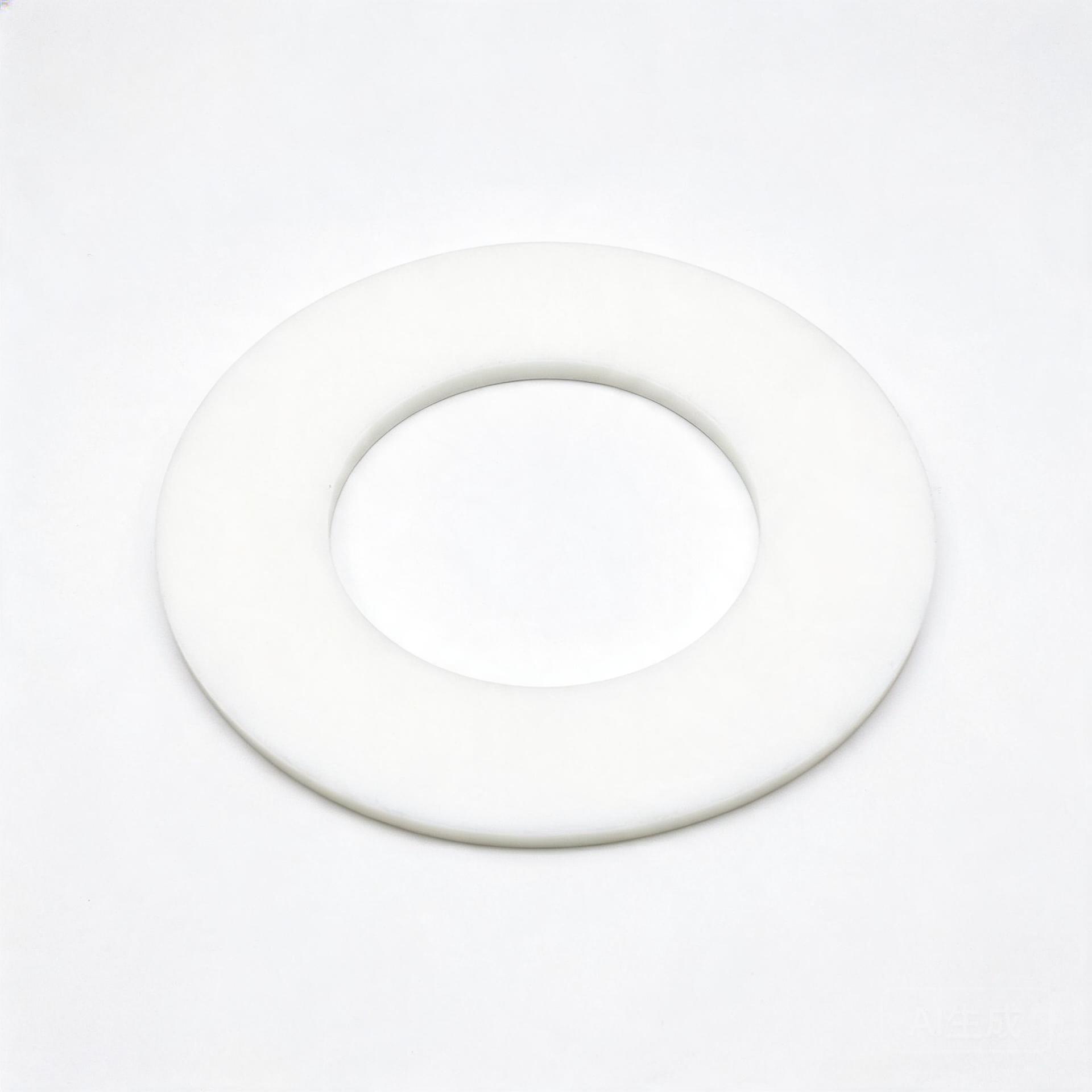
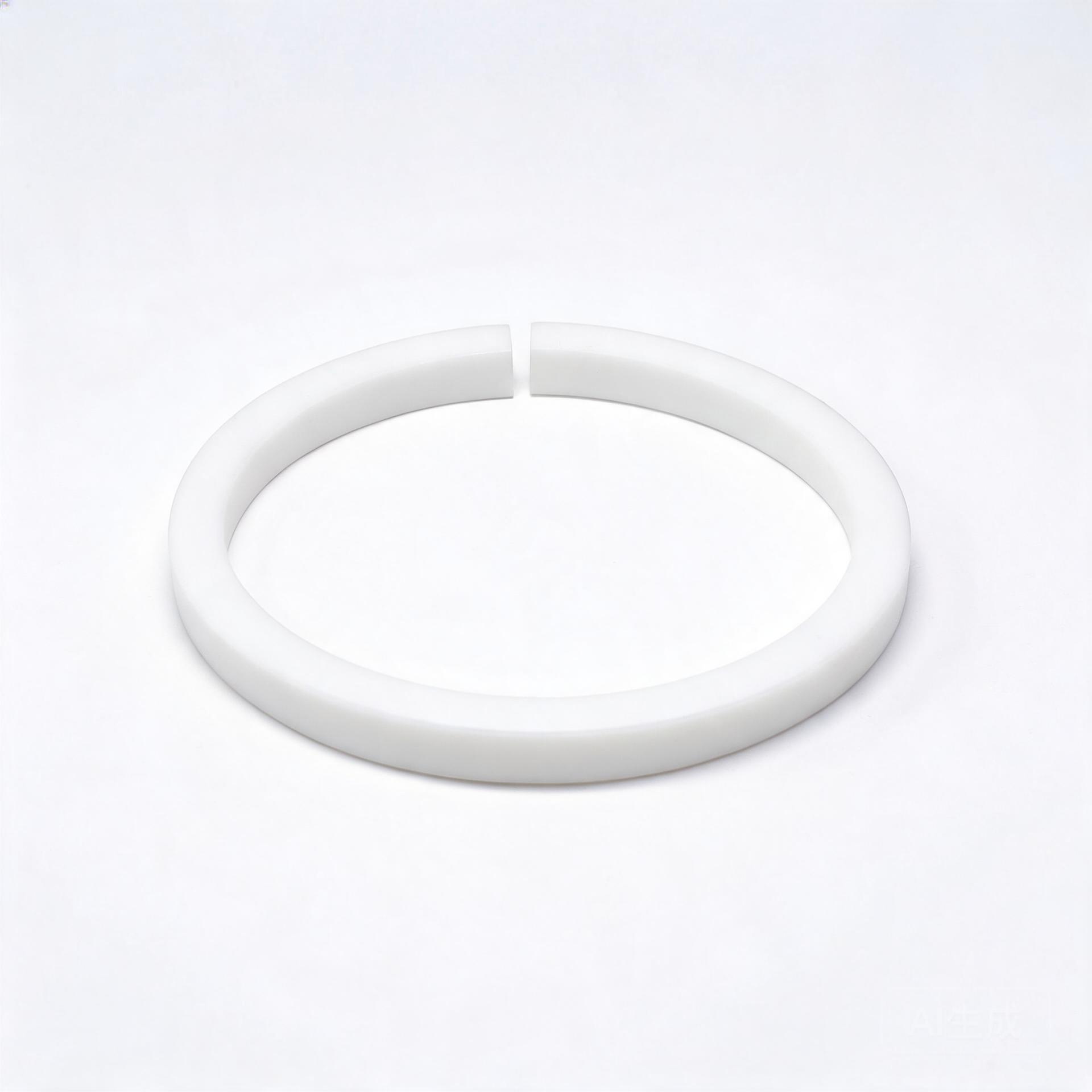
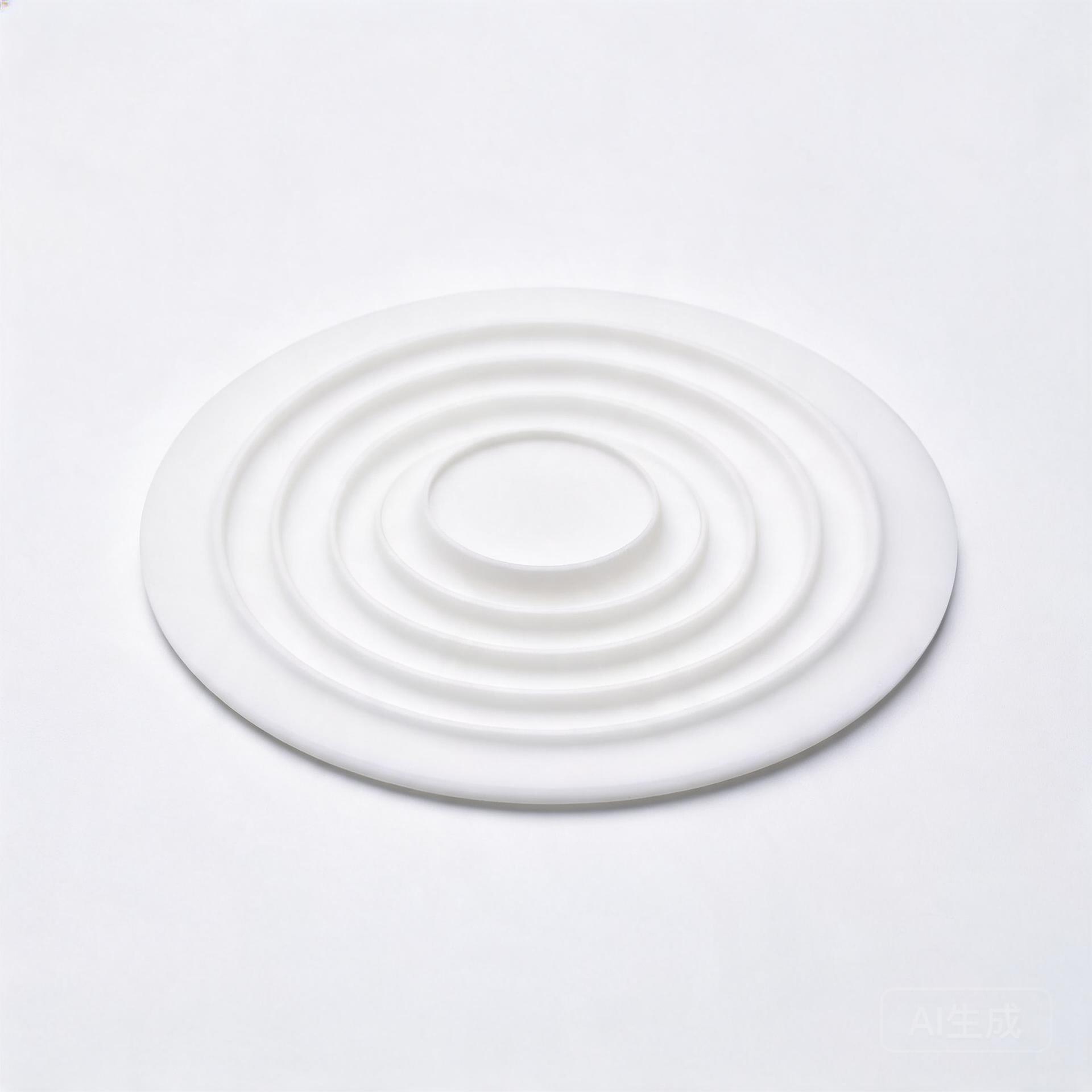
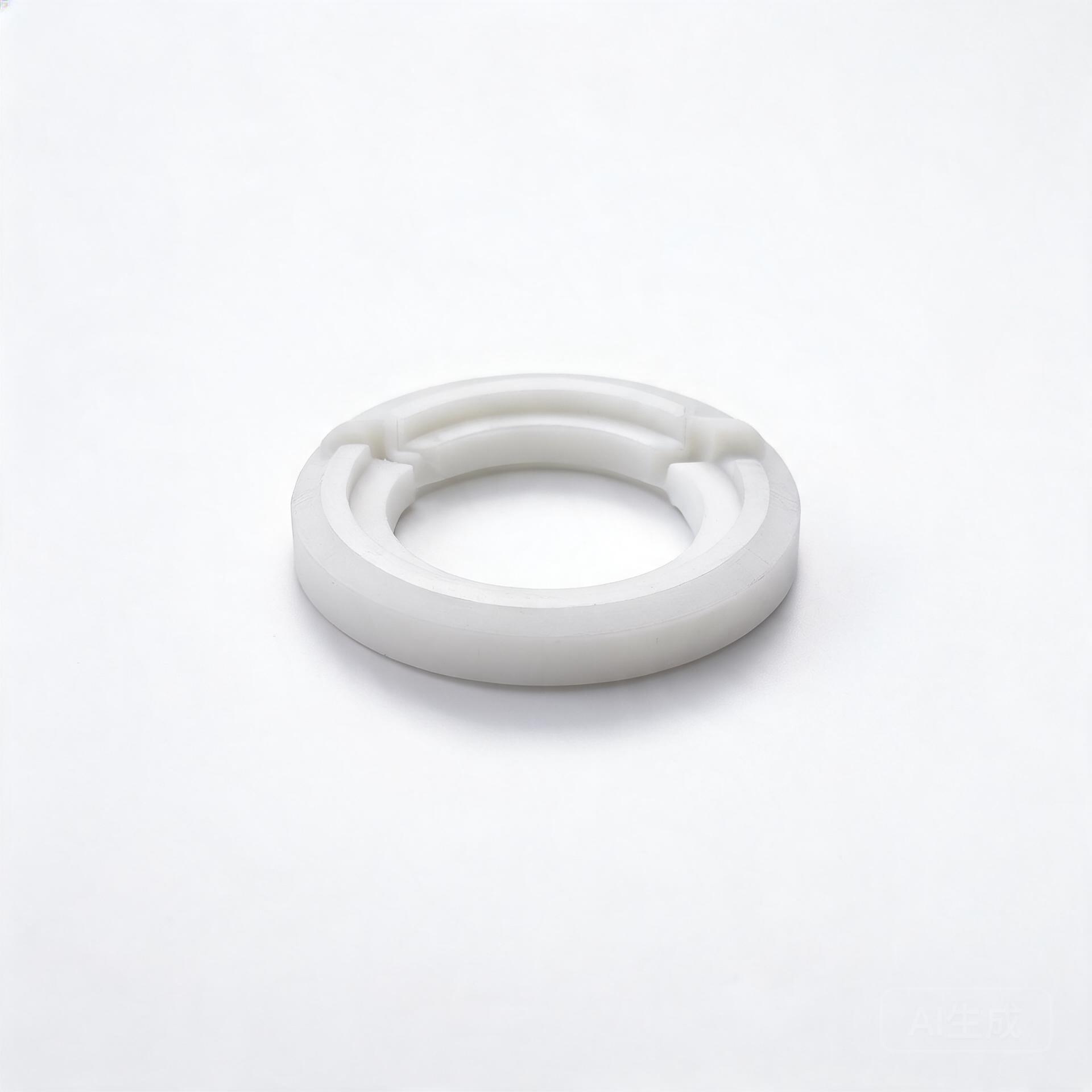
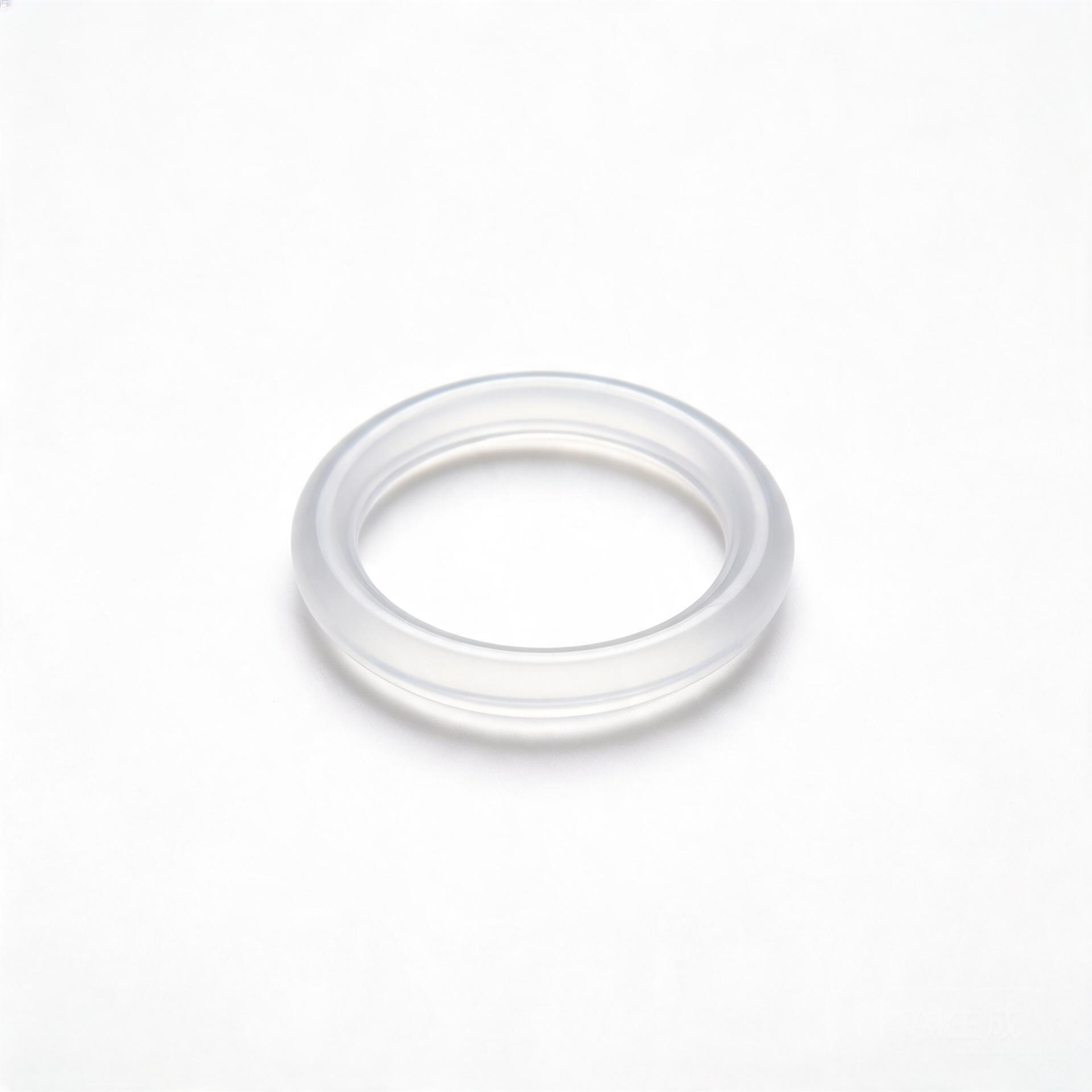
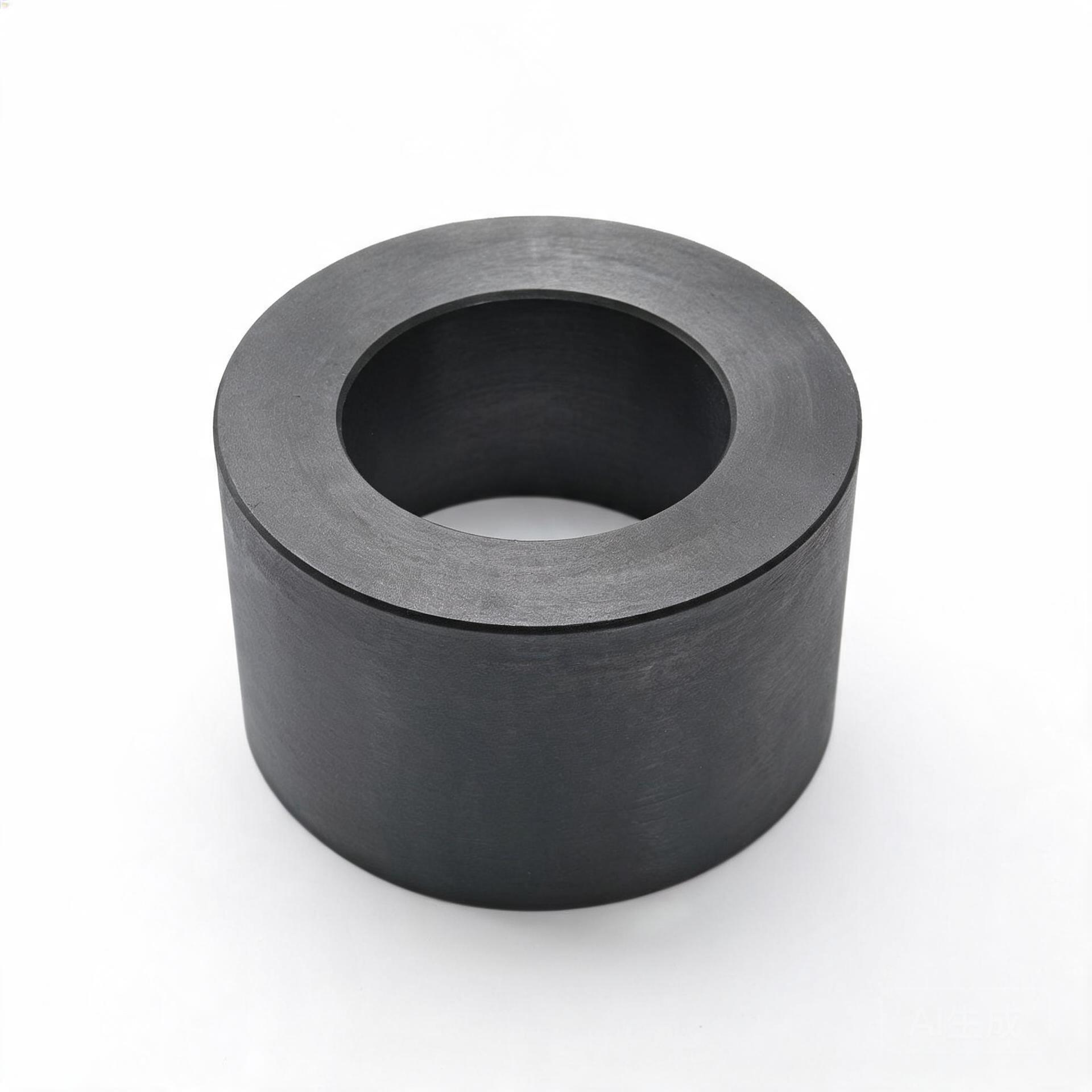
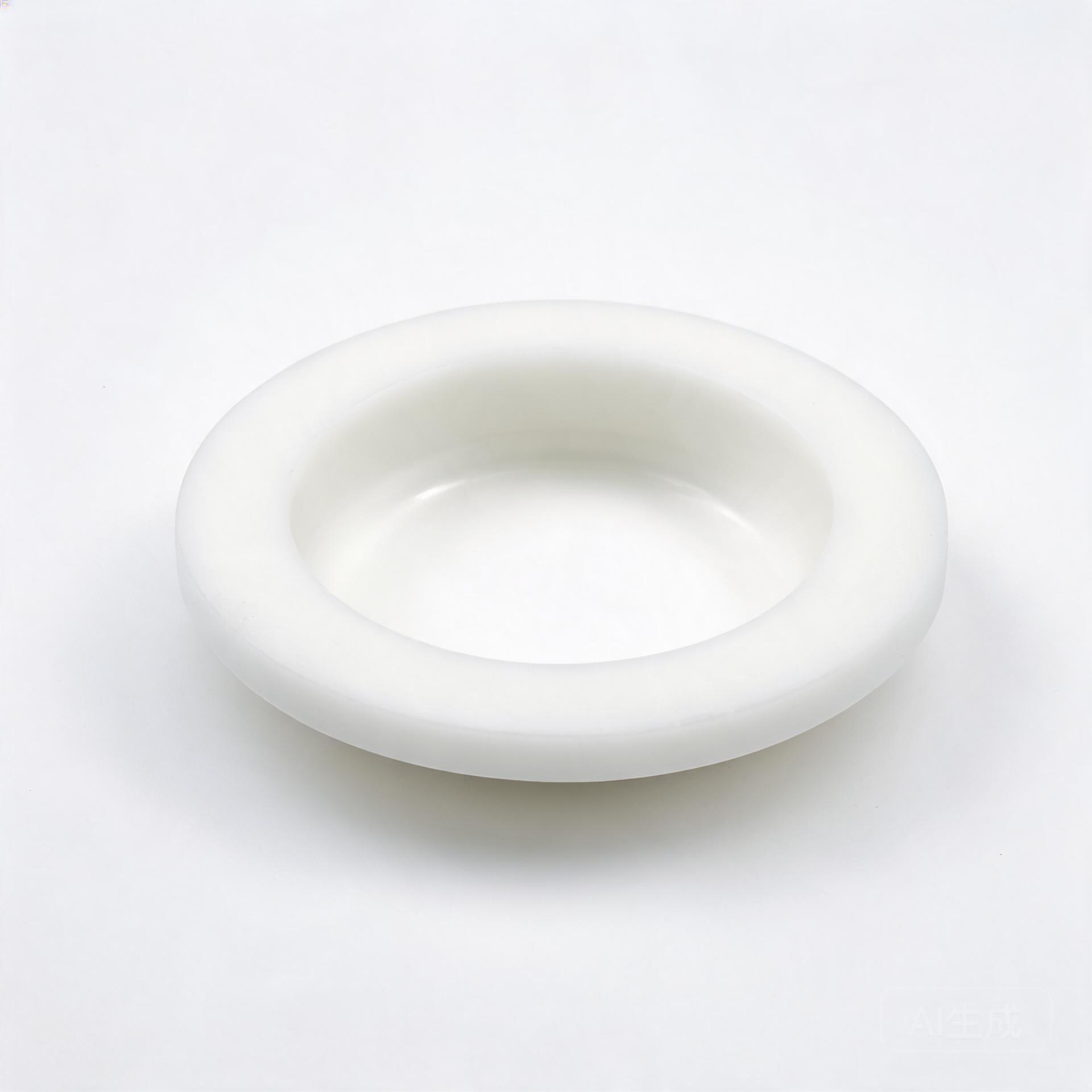
PTFE valve seats are critical sealing components used in ball valves, globe valves, and plug valves across a wide range of industrial applications. Manufactured from premium polytetrafluoroethylene (PTFE) resin, these valve seats deliver unmatched chemical inertness, low friction, and reliable performance across extreme temperature ranges. At OrroMFG, we produce precision-machined PTFE valve seats that meet the most stringent industry standards, ensuring tight shutoff and extended service life even in the harshest operating environments.
Our PTFE valve seats are engineered to provide superior sealing performance with minimal torque requirements. The inherently low coefficient of friction of PTFE allows for smooth valve operation, reducing actuator size requirements and lowering overall system costs. We offer both virgin PTFE and filled PTFE grades, including glass-filled and carbon-filled formulations, each optimized for specific pressure-temperature (P/T) conditions and chemical compatibility requirements. All valve seats are manufactured to tight dimensional tolerances using advanced CNC machining technology, ensuring consistent quality and interchangeability.
Key Features
- Exceptional Chemical Resistance: Resistant to virtually all industrial chemicals, acids, bases, and solvents, with a chemical compatibility unmatched by any other polymer.
- Wide Temperature Range: Continuous operating temperature from -200°C to +260°C (-328°F to +500°F), with short-term exposure up to 300°C.
- Low Coefficient of Friction: Self-lubricating properties minimize valve operating torque and reduce wear on mating components.
- Excellent Sealing Performance: Conforms perfectly to mating surfaces for bubble-tight shutoff with zero leakage.
- FDA-Compliant Grades Available: Virgin PTFE meets FDA 21 CFR 177.1550 requirements for food, beverage, and pharmaceutical applications.
- High Electrical Insulation: Excellent dielectric properties make PTFE valve seats suitable for electrical and electronic applications.
Material Specifications
| Property | Virgin PTFE | Glass-Filled PTFE (25%) | Carbon-Filled PTFE (25%) |
|---|---|---|---|
| Density (g/cm³) | 2.15 - 2.20 | 2.30 - 2.40 | 2.05 - 2.15 |
| Tensile Strength (MPa) | 20 - 30 | 22 - 28 | 20 - 26 |
| Elongation at Break (%) | 200 - 400 | 150 - 250 | 100 - 200 |
| Hardness (Shore D) | 50 - 60 | 60 - 70 | 55 - 65 |
| Continuous Service Temp (°C) | 260 | 260 | 280 |
| Coefficient of Friction | 0.04 - 0.10 | 0.08 - 0.15 | 0.06 - 0.12 |
| Compressive Strength (MPa) | 12 - 15 | 18 - 22 | 16 - 20 |
| Thermal Conductivity (W/m·K) | 0.25 | 0.30 | 0.40 |
| Volume Resistivity (Ω·cm) | 10¹⁸ | 10¹⁵ | 10¹² |
| Water Absorption (%) | < 0.01 | < 0.02 | < 0.02 |
Applications
Chemical Processing Industry
PTFE valve seats are the standard choice for chemical processing plants where aggressive media such as strong acids, alkalis, solvents, and corrosive gases are handled. They are used in ball valves, globe valves, and diaphragm valves for transporting and controlling the flow of sulfuric acid, hydrochloric acid, caustic soda, chlorine, and organic solvents. Typical equipment includes reactor feed valves, transfer line valves, and process control valves.
Oil and Gas
In upstream, midstream, and downstream oil and gas operations, PTFE valve seats provide reliable sealing for crude oil, natural gas, refined products, and various process chemicals. They are commonly found in wellhead valves, pipeline ball valves, refinery process valves, and storage tank isolation valves. Carbon-filled PTFE grades are preferred for high-pressure and high-temperature applications requiring enhanced mechanical strength.
Pharmaceutical and Biotechnology
Virgin PTFE valve seats meet FDA and USP Class VI requirements, making them ideal for pharmaceutical manufacturing, biotech processes, and sterile applications. They are used in hygienic ball valves, diaphragm valves, and sampling valves for drug manufacturing, fermentation processes, and clean-in-place (CIP) systems.
Food and Beverage
FDA-compliant PTFE valve seats are widely used in food and beverage processing for applications involving edible oils, syrups, beverages, and dairy products. They are commonly installed in sanitary ball valves, mix-proof valves, and aseptic processing valves.
Water Treatment and Semiconductor
PTFE valve seats serve in water treatment plants for chemical dosing systems, ultra-pure water systems, and wastewater treatment processes. In semiconductor manufacturing, ultra-high-purity PTFE valve seats are essential for wet processing equipment and chemical delivery systems.
Operating Conditions
- Temperature Range: -200°C to +260°C (-328°F to +500°F) for virgin PTFE; up to 280°C for carbon-filled grades
- Pressure Range: Up to 100 bar (1450 psi) depending on size, temperature, and material grade
- Pressure-Velocity (PV) Limit: Up to 1,000 bar·m/s for filled PTFE grades
- Chemical Compatibility: Compatible with nearly all chemicals except molten alkali metals, fluorine gas at elevated temperatures, and certain halogenated compounds
- Media Compatibility: Acids, bases, solvents, hydrocarbons, steam, water, gases, and corrosive fluids
- Cryogenic Service: Suitable for LNG, liquid nitrogen, and other cryogenic applications down to -200°C
Material Comparison
| Material | Chemical Resistance | Temp Range | Mechanical Strength | Cost | Best For |
|---|---|---|---|---|---|
| PTFE | Excellent | -200 to 260°C | Low-Medium | Medium | Chemical processing, cryogenic, food/pharma |
| PEEK | Good | -40 to 260°C | High | High | High-pressure, high-wear applications |
| Nylon (PA) | Fair | -40 to 120°C | Medium | Low | General industrial, water-based media |
| EPDM Rubber | Good | -50 to 150°C | Low | Low | Low-pressure, water/steam applications |
| Viton (FKM) | Very Good | -20 to 200°C | Low | High | Petroleum fluids, high-temperature sealing |
Choose PTFE valve seats when:
- Chemical resistance is the primary requirement
- Operating temperatures exceed 150°C or go below -40°C
- Low friction and smooth valve operation are essential
- FDA or USP compliance is required
- The application involves aggressive or corrosive media
Customization Options
- Material Grades: Virgin PTFE, 15-40% glass-filled, 15-25% carbon-filled, bronze-filled, and ESD/conductive grades
- Size Range: 6mm to 600mm diameter (1/4" to 24" valve sizes)
- Geometry Configurations: Standard ball valve seats, V-port seats, spring-energized seats, flush-bottom seats, and custom profiles
- Tolerance Classes: IT5 to IT8 precision grades, with surface finish down to Ra 0.4 μm
- Surface Treatments: Etched surfaces for bonding, glass-bead blasting, and precision lapping for sealing faces
- Back-up Rings: PTFE, PEEK, or metal back-up rings for high-pressure applications
- Color Options: Natural white, black (carbon-filled), and custom colors on request
Quality Assurance
At OrroMFG, quality is embedded in every stage of PTFE valve seat manufacturing. Our production facilities operate under ISO 9001:2015 certified quality management systems, with additional certifications including FDA compliance and RoHS conformity. Each valve seat undergoes rigorous dimensional inspection using coordinate measuring machines (CMM) and optical comparators to ensure compliance with customer specifications.
We perform material verification through FTIR spectroscopy and density testing to confirm raw material authenticity and grade. Sealing performance is validated through leak testing, pressure cycling tests, and thermal cycling simulations. All finished products come with material certificates, inspection reports, and full traceability from raw material batch to finished component. Our in-house quality control team conducts first-article inspections, in-process monitoring, and final release inspections to guarantee that every PTFE valve seat meets or exceeds industry standards and customer expectations.