Overview
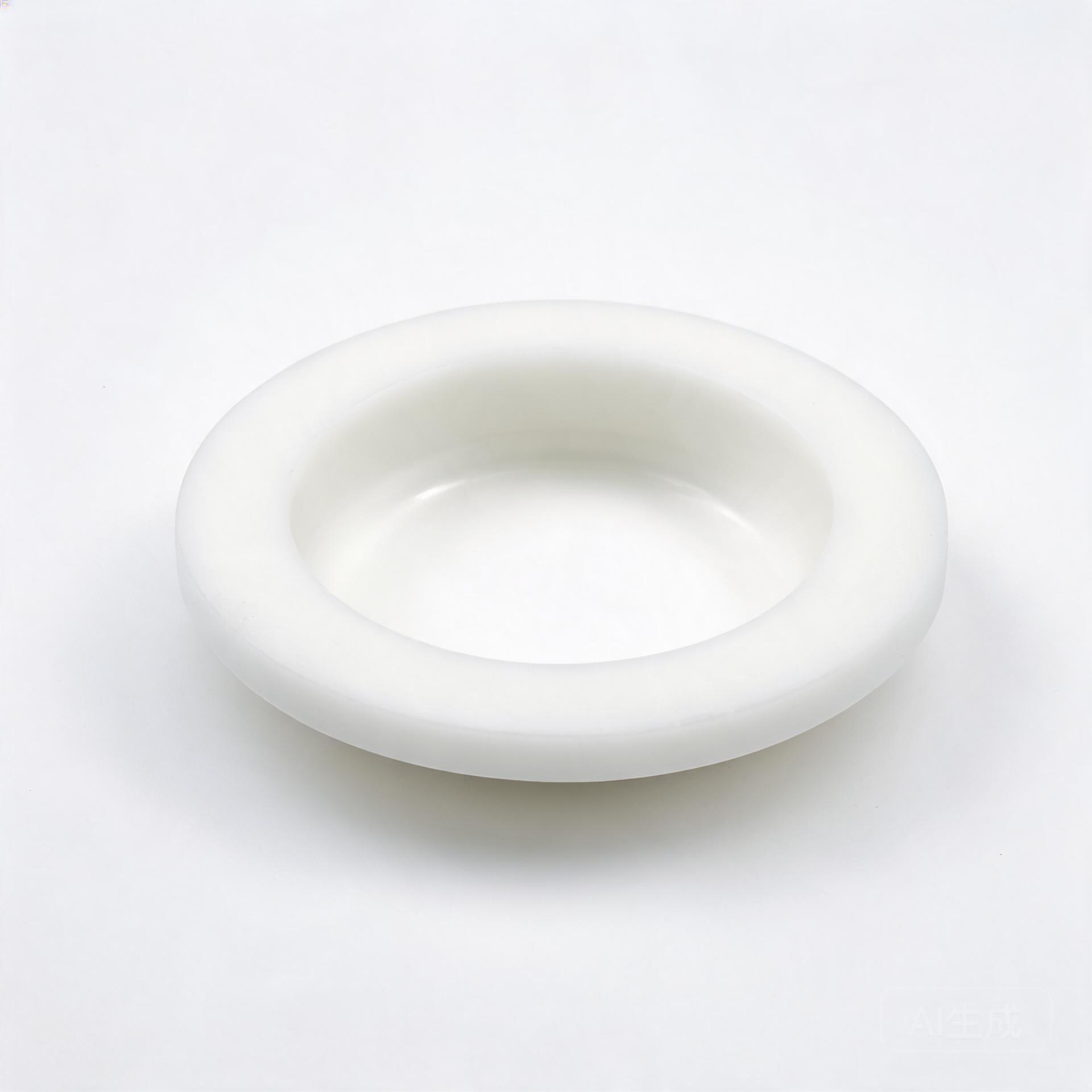
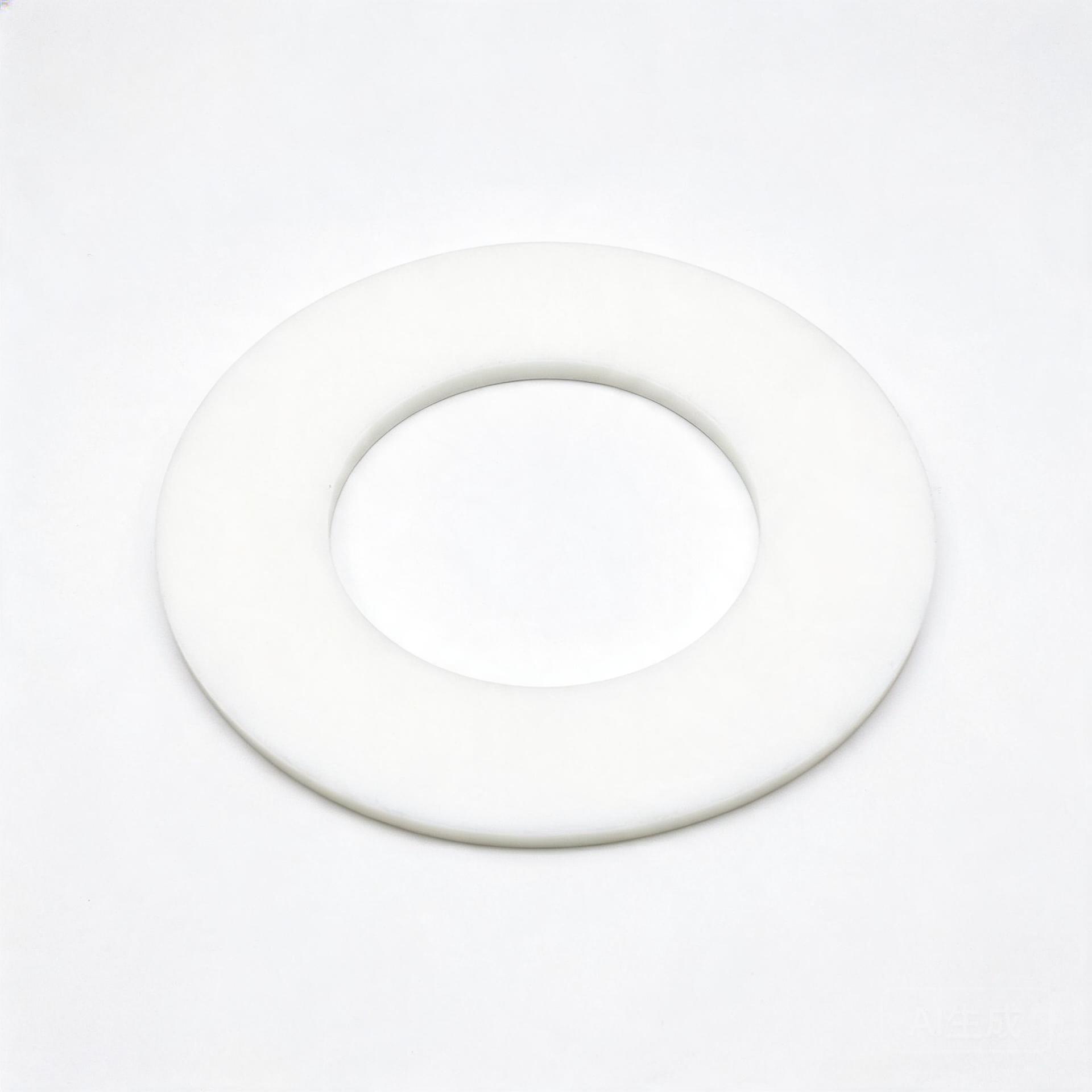
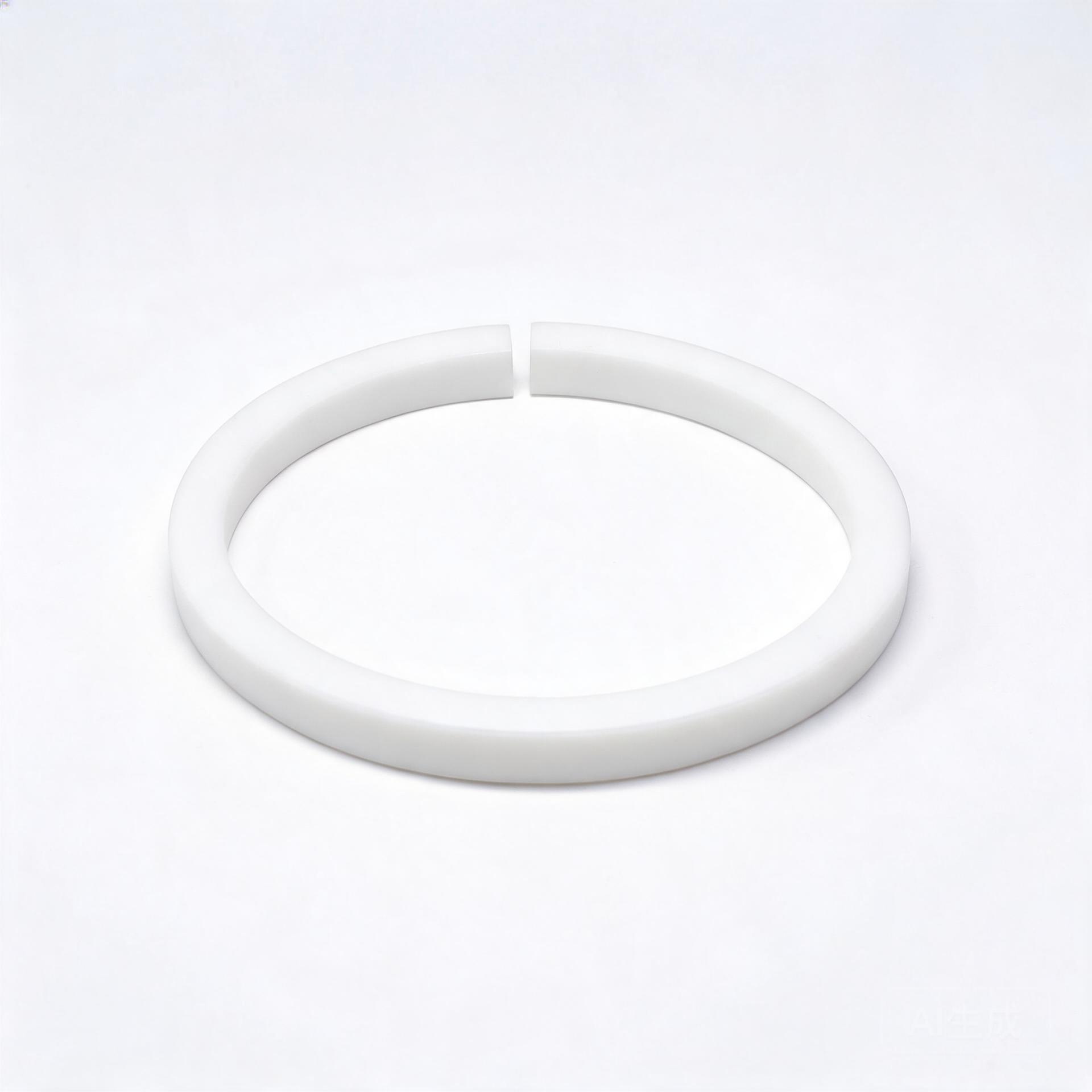
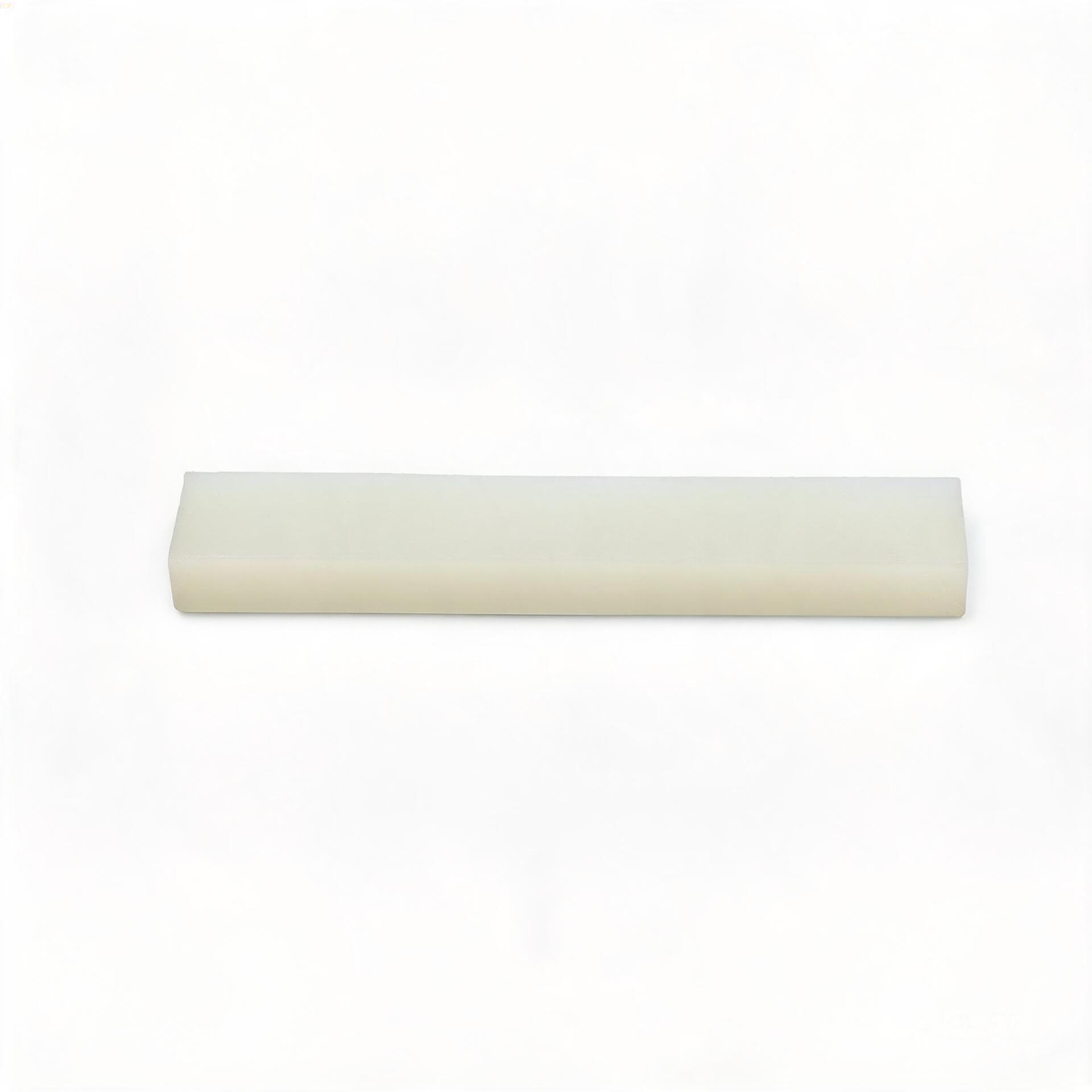
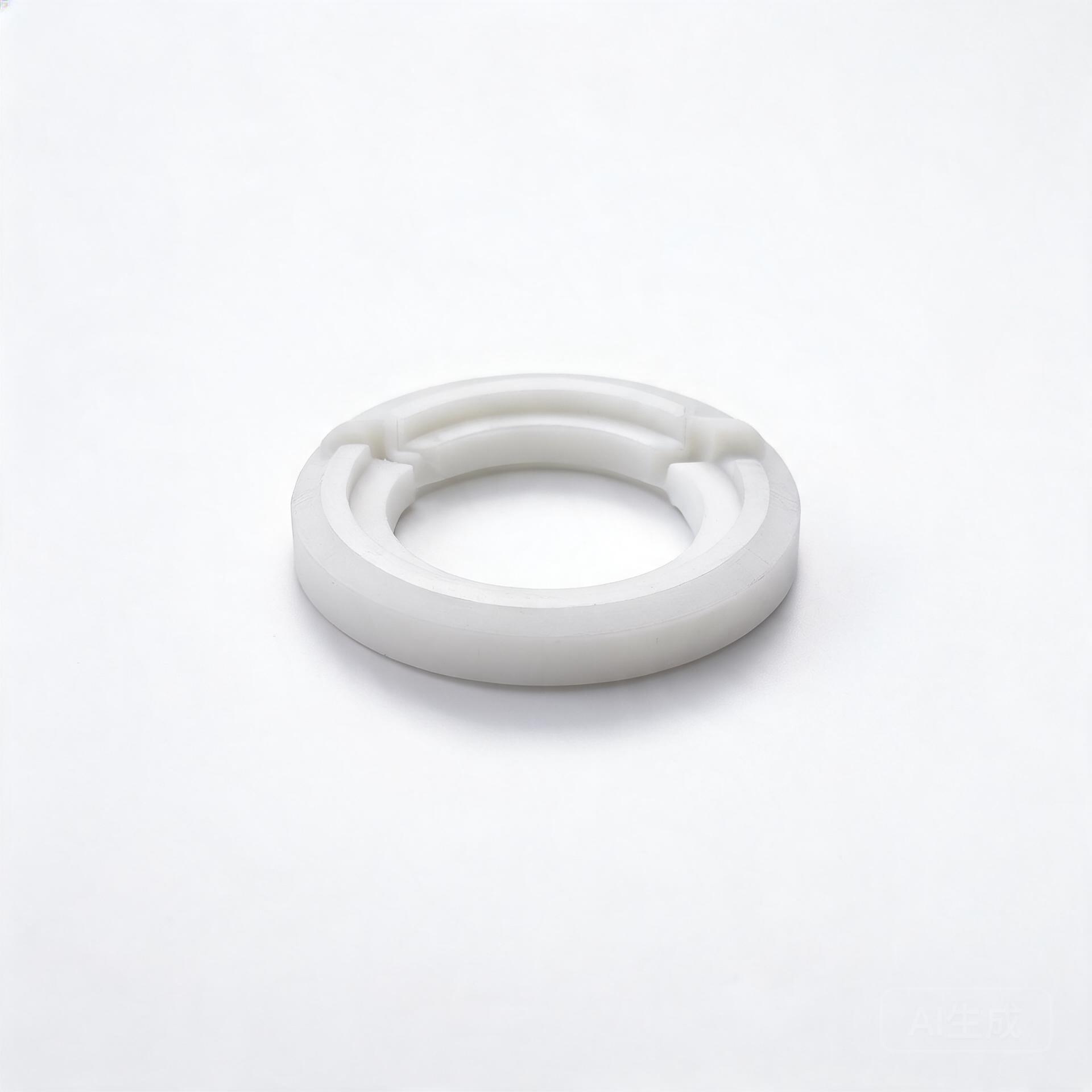
PTFE diaphragms are flexible sealing membranes used in diaphragm pumps, diaphragm valves, and metering systems to isolate process fluids from mechanical components while transmitting reciprocating or linear motion. Manufactured from high-purity polytetrafluoroethylene (PTFE), these diaphragms provide unmatched chemical inertness and excellent flex life, making them essential components in applications involving aggressive, corrosive, or high-purity fluids. OrroMFG produces precision-engineered PTFE diaphragms in a variety of configurations and sizes to meet the demanding requirements of chemical processing, pharmaceutical, and industrial applications.
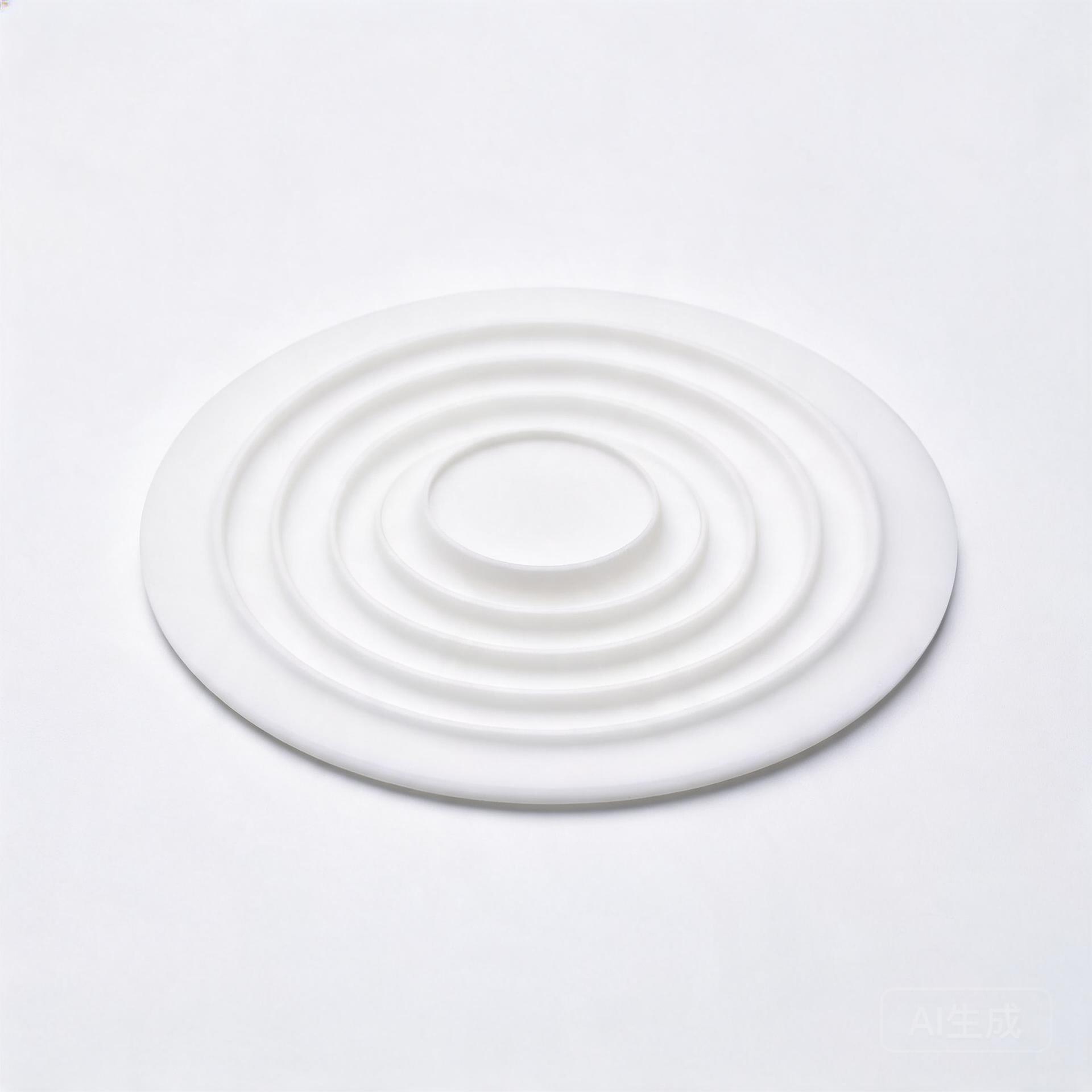
Our PTFE diaphragms are available in several polymer formulations including virgin PTFE, modified PTFE (TFM), FEP, and PFA, each selected for specific application requirements. We manufacture both flat diaphragms and convoluted diaphragms, as well as PTFE-laminated rubber diaphragms that combine the chemical resistance of PTFE with the elastic resilience of rubber substrates. All diaphragms are precision-machined or formed to exacting dimensional tolerances, ensuring proper fit, consistent performance, and extended service life in reciprocating and flexing applications. Our engineering team works closely with customers to optimize diaphragm geometry, material selection, and surface finish for maximum performance and durability.
Key Features
- Unsurpassed Chemical Resistance: Compatible with virtually all industrial chemicals, acids, bases, solvents, and corrosive media across the entire pH range.
- Excellent Flex Life: Modified PTFE grades provide superior flex fatigue resistance for long-term reciprocating service.
- High Purity: Meets FDA 21 CFR 177.1550, USP Class VI, and semiconductor-grade purity requirements.
- Wide Temperature Range: Operating temperatures from -100°C to +200°C, suitable for both cryogenic and elevated temperature processes.
- Zero Permeation: Virtually impermeable to gases and liquids, preventing media contamination and process fluid loss.
- Non-Stick Surface: Prevents product buildup and enables easy cleaning for sanitary and high-purity applications.
Material Specifications
| Property | Virgin PTFE | Modified PTFE (TFM) | FEP | PFA |
|---|---|---|---|---|
| Density (g/cm³) | 2.15 - 2.20 | 2.15 - 2.20 | 2.12 - 2.17 | 2.12 - 2.17 |
| Tensile Strength (MPa) | 20 - 30 | 28 - 35 | 20 - 25 | 25 - 30 |
| Elongation at Break (%) | 200 - 400 | 300 - 500 | 250 - 350 | 300 - 400 |
| Flex Life (cycles) | 10⁴ - 10⁵ | 10⁶ - 10⁷ | 10⁵ - 10⁶ | 10⁶ - 10⁷ |
| Continuous Service Temp (°C) | 260 | 260 | 200 | 260 |
| Hardness (Shore D) | 50 - 60 | 55 - 65 | 55 - 65 | 55 - 65 |
| Water Absorption (%) | < 0.01 | < 0.01 | < 0.01 | < 0.01 |
| Dielectric Strength (kV/mm) | 19 - 23 | 19 - 23 | 20 - 25 | 20 - 25 |
| Melt Flow Index (g/10min) | N/A | 5 - 15 | 2 - 10 | 5 - 20 |
| FDA Compliance | Yes | Yes | Yes | Yes |
Applications
Diaphragm Pumps
PTFE diaphragms are critical components in air-operated double-diaphragm (AODD) pumps, mechanical diaphragm pumps, and metering pumps used for chemical transfer and dosing applications. They are extensively employed in chemical processing, water treatment, and industrial manufacturing for transferring acids, bases, solvents, corrosive slurries, and high-purity fluids. The PTFE diaphragm isolates the pumped fluid from the pump’s mechanical side, preventing contamination and protecting pump components from corrosive attack.
Diaphragm Valves
In diaphragm valves, PTFE diaphragms serve as both the sealing element and the valve closure member. They are widely used in pharmaceutical manufacturing, biotech processes, food and beverage production, and ultra-pure water systems. Weir-type diaphragm valves and straight-through diaphragm valves equipped with PTFE diaphragms provide reliable, bubble-tight shutoff with minimal dead space, making them ideal for sterile and hygienic applications requiring frequent CIP/SIP cleaning cycles.
Chemical Processing Industry
PTFE diaphragms are essential in chemical processing for metering pumps, dosing pumps, and process control systems handling aggressive chemicals such as sulfuric acid, hydrochloric acid, caustic soda, chlorine, solvents, and reactive intermediates. They are found in batch processing systems, continuous flow processes, and chemical feed systems.
Pharmaceutical and Biotechnology
High-purity PTFE diaphragms meeting FDA and USP Class VI standards are used in sterile fill systems, bioreactor feeds, filtration systems, and drug manufacturing processes. Their non-contaminating properties and compatibility with CIP/SIP cleaning regimens make them the preferred choice for biopharmaceutical manufacturing.
Water and Wastewater Treatment
PTFE diaphragms are used in chemical metering pumps for water treatment applications including chlorine dosing, pH adjustment, coagulant feed, and disinfection systems. They provide reliable, accurate dosing of treatment chemicals with consistent performance over extended service life.
Operating Conditions
- Temperature Range: -100°C to +200°C (-148°F to +392°F) for most diaphragm applications; up to 260°C for static or low-flex applications
- Pressure Range: Up to 16 bar (230 psi) for diaphragm pumps; up to 10 bar (145 psi) for diaphragm valves
- Vacuum Rating: Suitable for full vacuum service down to 0.001 mbar
- Flex Cycle Life: Up to 10⁷ cycles for modified PTFE and PFA diaphragms under optimal conditions
- Stroke Length: Up to 50mm depending on diaphragm diameter and material grade
- Media Compatibility: Acids, bases, solvents, hydrocarbons, chemicals, water, steam, gases, and high-purity fluids
- pH Range: 0-14, full range chemical compatibility
Material Comparison
| Material | Chemical Resistance | Flex Life | Temp Range | Purity Level | Cost | Best For |
|---|---|---|---|---|---|---|
| PTFE (Virgin) | Excellent | Fair-Good | -100 to +260°C | Very High | Medium | Static/semi-static seals, low-cycle apps |
| Modified PTFE (TFM) | Excellent | Very Good | -100 to +260°C | Very High | High | High-cycle diaphragm pumps, metering |
| PFA | Excellent | Excellent | -50 to +260°C | Very High | High | High-purity, high-flex applications |
| FEP | Excellent | Good | -50 to +200°C | High | Medium-High | Lining and membrane applications |
| EPDM Rubber | Good | Excellent | -50 to +150°C | Medium | Low | Water service, general industrial |
| PTFE-Rubber Laminate | Excellent | Excellent | -40 to +180°C | High | High | Chemical service with rubber resilience |
Choose PTFE diaphragms when:
- Maximum chemical resistance is required for aggressive media
- High purity and non-contaminating performance are essential
- The application requires zero permeation and fluid isolation
- FDA, USP, or semiconductor-grade compliance is needed
- Wide temperature range capability is required
Customization Options
- Material Grades: Virgin PTFE, modified PTFE (TFM 1600/1700), FEP, PFA, conductive PTFE, and ultra-high-purity semiconductor grades
- Diaphragm Configurations: Flat diaphragms, convoluted diaphragms, single-cone, double-cone, rolled edge, and custom profiles
- Size Range: 10mm to 1000mm diameter; thickness from 0.1mm to 5.0mm
- Composite Structures: PTFE-to-rubber bonded diaphragms (EPDM, NBR, Viton backing), fabric-reinforced PTFE diaphragms
- Mounting Options: Center bolt hole, clamped edge, flanged edge, and custom attachment configurations
- Tolerance Grades: Precision formed/machined to IT7-IT9 tolerances with controlled thickness variation
- Surface Finishes: As-molded, skived, etched, and polished surfaces for specific flex and release properties
- Perforation Patterns: Custom hole patterns for valve and pump mounting interfaces
- Color Options: Natural translucent white, black (conductive), and custom colors on request
Quality Assurance
At OrroMFG, PTFE diaphragm manufacturing is governed by strict quality control protocols under our ISO 9001:2015 certified quality management system. We maintain dedicated production cells for high-purity diaphragm manufacturing, with cleanroom assembly and packaging for pharmaceutical and semiconductor-grade products. All raw materials are sourced from leading global polymer suppliers with full material certification and traceability.
Every production lot undergoes comprehensive quality inspection including dimensional verification using coordinate measuring machines (CMM) and optical profilometers, thickness uniformity testing, tensile strength testing, and elongation measurement. Material composition is confirmed through FTIR spectroscopy and density analysis. For critical performance validation, we conduct flex fatigue testing on specialized reciprocating test rigs to verify cycle life under simulated operating conditions. Pressure testing, leak testing, and chemical compatibility testing are also available upon request. All diaphragms are supplied with detailed material certificates, inspection reports, and full batch traceability documentation. Our commitment to quality ensures that each PTFE diaphragm delivers consistent, reliable performance throughout its service life, minimizing downtime and maintenance costs for our customers.